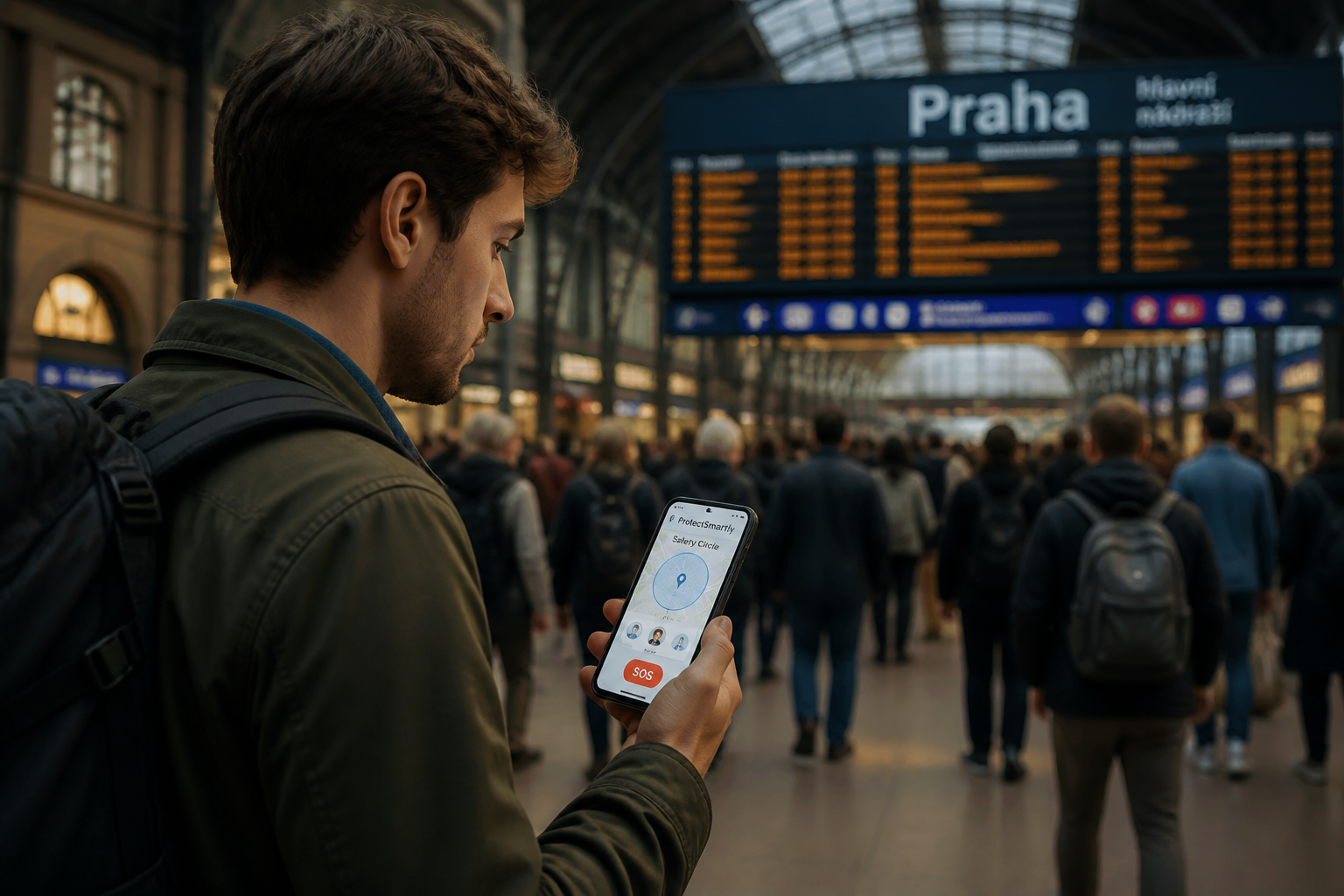
As the world continues to open up in 2026, solo travel has reached new heights of popularity. From backpacking through Southeast Asia to exploring the historic streets of Europe, more people than ever are embracing the freedom of traveling alone. However, the travel landscape has also become more complex, with new risks requiring a more sophisticated approach to personal safety.
Recent warnings from the FBI and international safety organizations in late August 2026 have highlighted a surge in “distraction-based” theft and new digital vulnerabilities for solo explorers. In this guide, we break down the essential strategies for staying safe while seeing the world on your own terms.
The 2026 Travel Risk Profile: Distraction and Digital Vulnerability
The most significant threat to solo travelers in 2026 isn’t always physical violence; it’s distraction. Busy transport hubs, crowded tourist landmarks, and unfamiliar urban environments are prime hunting grounds for sophisticated theft rings.
The “New Theft Tactics” in Europe
In a recent August 2026 security briefing, the FBI alerted travelers to a new wave of highly organized theft tactics across major European capitals. These involve multiple “distractors” who use seemingly innocent requests—asking for directions, offering to help with luggage, or creating a minor public disturbance—while an accomplice identifies and steals high-value electronics and travel documents.
Digital Vulnerabilities: Public Wi-Fi and QR Scams
Beyond physical theft, solo travelers are increasingly targeted through digital means. “QR Code Phishing” at restaurants or transport kiosks can lead to immediate compromise of travel apps and financial data. For a solo traveler, losing access to their digital navigation and booking tools is more than an inconvenience; it is a major safety crisis.
Proactive Safety: Building Your 2026 Travel Toolkit
Staying safe in 2026 requires a blend of traditional street smarts and modern technology.
1. The “Safety Shadow” Strategy
One of the most effective ways for solo travelers to stay secure is to maintain a “Safety Shadow” with a trusted person back home. Using a secure family safety app allows you to share your real-time location with a dedicated “Family Circle.”
- Continuous Location Sharing: Instead of sporadic check-ins, keep your location active for your circle. If you deviate from your planned route or become stationary in an unusual area, your safety net is alerted immediately.
- Trip Check-ins: Use automated pings to let your circle know when you’ve arrived at your hostel, board a night train, or return to your accommodation after a late night out.
2. The One-Tap SOS for Travelers
In an emergency—whether it’s a medical event, a confrontation, or getting lost in a high-risk neighborhood—you need a way to call for help without drawing attention. A dedicated SOS alert app like ProtectSmartly provides a discrete, one-tap emergency SOS feature. This instantly notifies your circle and provides them with your exact coordinates, allowing them to coordinate assistance even if you cannot speak.
Specialized Safety for Solo Demographics
Solo Female Travelers
Research in 2026 shows that 29 countries are now classified as “high-risk” for female travelers. Vigilance is key. Always use a student safety app or dedicated traveler platform to stay connected. Trust your instincts—if a situation feels wrong, it probably is.
Student Backpackers
For students on a gap year or studying abroad, the temptation to “go off the grid” is strong. However, maintaining a digital link to a Family Circle is the most responsible way to explore. It ensures that your independence is supported by a robust safety net.
2026 Solo Travel Safety Checklist
- Research Your Destination: Check the latest U.S. State Department Travel Advisories before you book.
- Secure Your Connection: Never use public Wi-Fi for sensitive transactions; use a VPN and stick to known networks.
- Establish Your Circle: Set up a Family Circle on ProtectSmartly before you leave, including at least two trusted contacts back home.
- Download Offline Maps: Ensure you can navigate even without a data connection.
- Carry a Portable Power Bank: Your phone is your lifeline—keep it charged.
- Test Your SOS: Make sure your SOS alert app is active and your contacts know what to do if they receive an alert.
FAQ: Solo Travel & Safety
Q: Is it safe to travel solo to “Level 2” advisory countries?
A: Yes, but it requires “Exercise Increased Caution.” This means being more diligent about location sharing and staying in well-populated areas.
Q: What if I lose my phone while traveling alone?
A: Have a backup plan. Keep physical copies of important documents and ensure you have a “Meeting Point” strategy or a way to access your safety circle from a browser if needed.
Q: How often should I check in?
A: With a family safety app, you don’t need to manually check in constantly. The app does the work for you, providing peace of mind without interrupting your journey.
Conclusion: Explore with Confidence
Solo travel in 2026 is an incredibly rewarding experience that fosters resilience and global understanding. By understanding modern risks and utilizing the power of a private, tech-enabled safety net like ProtectSmartly, you can explore the world with the confidence that you are never truly alone.
Your adventure shouldn’t be defined by fear, but by preparedness. Start your solo travel journey today by connecting with your Family Circle.
Learn more about how ProtectSmartly protects solo travelers around the world.
Explore the SOS Alert App features for international travel.
Download ProtectSmartly and take a proactive approach to your travel safety.